


Solar Smash
4.640.10K Reviews
App Specs
- Version
- 2.7.5
- Updated On
- License
- Free
- Downloads
- 100,000,000+
- Developer
- Paradyme Games
- Categories
- Simulation
- Platform
- Android, iOS
Screenshots
 Analysis by AppCompare
I usually reach for a mobile game when I have a few spare minutes, not when I want another long routine to manage. Solar Smash suits that mood by giving me a planet and letting me decide what happens to it. Its central appeal is unusually direct: I can test different kinds of destruction, watch the effects unfold, and stop whenever I have had enough. That makes it less like a campaign to complete and more like a compact cosmic sandbox.
What I find most useful about that setup is the freedom to experiment without treating every action as a high-stakes choice. I can try one attack, see how the planet changes, then switch approaches rather than follow a fixed sequence. The pleasure comes from observing cause and effect: a small intervention can look very different from a broad, dramatic assault. If you enjoy visual experiments more than objectives, this distinction matters. The game is at its best when I treat it as a toy for testing ideas, not as a challenge that owes me a steady stream of new goals.
Exploring the Cosmic Playground
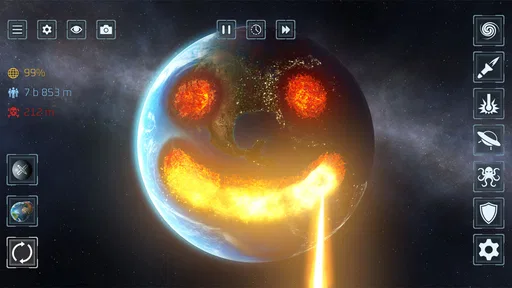
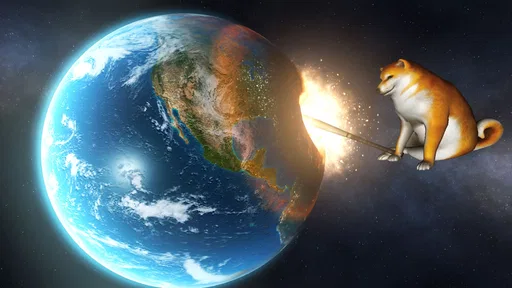
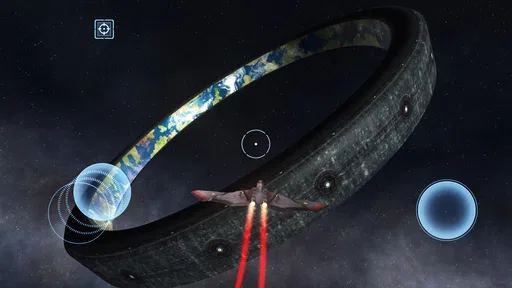
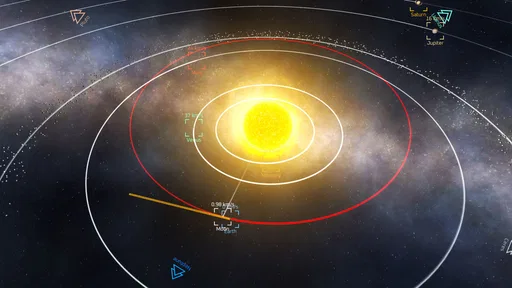
First things first, when you boot up Solar Smash, you're greeted with a stunning view of a planet just waiting for you to wreak havoc. The controls are super intuitive, which is a relief because who wants to fiddle with complicated menus when there are planets to destroy? From lasers and nukes to good ol' fashioned asteroids, the arsenal at your disposal is both vast and entertaining. It’s like having a front-row seat to the universe's most chaotic fireworks show.
Guides and Analysis on Solar Smash
Choosing an Experiment, Not Chasing a Mission
In practice, I get more out of choosing a simple question before I start: what will one kind of attack do, and how will a second change the result? That keeps the session focused without imposing a made-up objective on the game. I might use a quick break to compare a focused strike with a larger impact, then leave the planet alone long enough to notice the visual difference. It is a small habit, but it makes repeated sessions feel less like tapping randomly and more like conducting a playful demonstration.
There is also a useful trade-off in the open-ended design. A sandbox gives me room to improvise, but it does not automatically supply a reason to keep going. If you need missions, a campaign, or a clear sense of progression to stay interested, a more objective-driven simulation will probably hold your attention better. Here, the player has to bring the curiosity. I would recommend it to someone who enjoys making their own little experiments, while someone looking for a structured story should know what kind of experience they are choosing.
The Visuals and Soundtrack
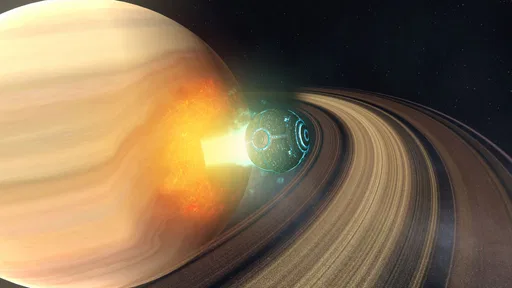
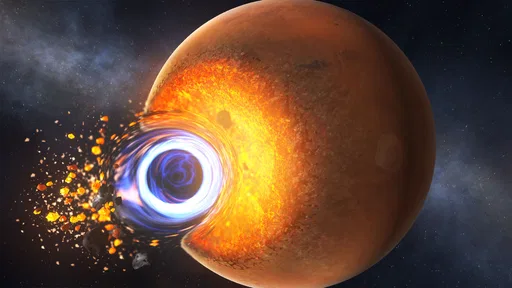
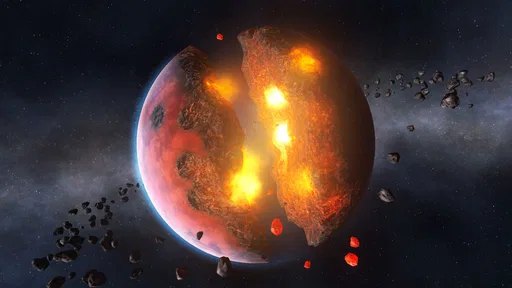
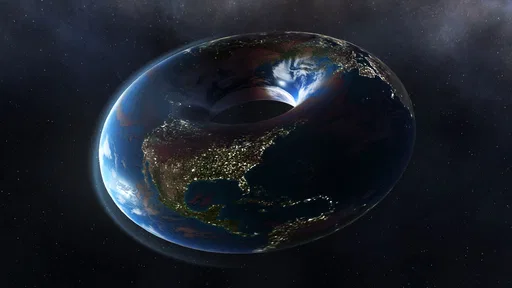
I have to give a shoutout to the developers for the graphics. They’re not just pretty—they’re mesmerizing. Watching a planet's surface crack under the heat of a laser or explode in a shower of debris is oddly satisfying. Pair this with a soundtrack that seems to echo through the cosmos, and you've got a game that’s as entertaining to watch as it is to play.
The visual spectacle is not just decoration; it is the feedback that makes the central idea work. When I try a different tool, I want to see a distinct consequence, and the changing planet gives me something immediate to inspect. That makes the game easy to share with someone sitting nearby: they can understand what is happening at a glance, even if they have never played before. It also makes a short session feel complete, because a striking result can be its own payoff rather than a step toward a later reward.
Worth Reading Before You Choose

Google Calendar Makes a Crowded Week Easier to Manage

Ludo King Makes the Most of the Minutes Between Plans

Baby Panda World Brings Quick Play to Modern Phones, but Its Game Library Feels Busy

ESPN’s Live Game View Makes Following Close Games Easier

QuizzLand Review: A Good Fit for Short Trivia Breaks, Not Every Player

Basketball Stars: Multiplayer Is Fast, but Can It Recover When Matches Go Wrong?
Gameplay Mechanics
One of the coolest aspects of Solar Smash is the level of detail in the destruction. Each weapon has its own unique effect, and experimenting with different combinations is half the fun. Plus, there’s a sandbox mode where you can really let your imagination run wild. It’s a bit like being a kid in a candy store, except the candy is planetary annihilation.
For a more satisfying experiment, I suggest changing one thing at a time. If I use several different attacks in quick succession, the final scene can be spectacular, but it becomes harder to tell which choice created which effect. Starting with a single tool, pausing to look, and then adding a second gives the destruction a clearer rhythm. That approach is especially helpful for anyone who likes comparing outcomes or simply wants to make a scene that feels intentional rather than chaotic from the first tap.
This is also where the game differs from the usual alternatives in mobile simulation. Many simulations ask me to build, manage resources, or keep a system running; this one puts the emphasis on watching a planet change under direct intervention. That makes it far less demanding in terms of planning, but also less suited to players who want long-term management or a growing set of responsibilities. I see it as a better fit for a visual, hands-on diversion than as a replacement for a deeper strategy game.
A Good Fit for Short, Curious Breaks
A realistic use for me is a short pause between tasks: I open the game, pick one kind of experiment, watch the result, and put my phone away. It works because there is no need to prepare a long session or remember a complex plan. The same quick, watchable quality can make it an easy game to pass around when friends are together, especially if everyone takes a turn proposing what to try next. The best sessions have a tiny shared question behind them, rather than an expectation that the game will provide a complete evening’s entertainment.
I would be more cautious about recommending it to someone who wants a calm, constructive simulation. The whole appeal here is destruction, so the visual tone is not a match for every mood or every player. Its Everyone 10+ age rating is a useful point for families considering whether it suits a younger player, but I would still make that decision based on the individual child and the game’s theme. For a player who wants to create and preserve a world, a building-focused simulation is the more natural choice.
Practical Details Before You Play
Paradyme Games develops this free simulation, which has an average rating of 4.6 from around 1.7 million ratings and more than 100 million installs. It was released on January 19, 2020, and version 2.6.5 requires Android 7.0 or later. Those details point to a well-established mobile game, though popularity alone cannot tell you whether its open-ended style will suit you; the key question is whether you enjoy supplying your own experiments.
The game is free to start, with optional in-app purchases priced from $2.49 to $2.99 per item. I would approach those purchases as optional rather than assume they are necessary to enjoy the basic idea: first see whether the core loop of choosing an attack and observing the outcome holds your interest. If you prefer to know exactly what you are paying for before spending, check the purchase choices in the store on your device. That is a sensible habit with any free game, particularly one you may only use for occasional short sessions.
One question people often have is whether this is a game they can dip into casually or one that expects a time commitment. Its sandbox character makes brief visits a natural way to play, but the lack of a built-in mission structure also means it may not give every player a reason to return. Another practical question is whether it offers the kind of strategic depth found in a management sim: I would not choose it for that. Its appeal is immediate visual experimentation, not running a planet through a complex set of systems.
Why It's Worth Your Time
Okay, so why should you give Solar Smash a go? Simple—it's a blast. Whether you’re a fan of destruction, looking for a stress reliever, or just someone who enjoys unique mobile games, this app has something for you. It doesn’t demand hours of your time, which is perfect for those quick gaming sessions when you need a break from reality.
My recommendation depends on what you want from a simulation. If you like trying a specific idea, seeing a dramatic result, and then moving on, this is an easy game to understand and a satisfying one to watch. If you need a narrative, carefully paced unlocks, or a lasting project to maintain, I would steer you toward a more structured game instead. The freedom that makes this one appealing is also its main limitation: after you have tried the experiments that interest you, you need to invent a fresh reason to continue.
In summary, Solar Smash is a fun, chaotic, and visually stunning app that lets you explore your destructive side without any real-world consequences. It's a game that doesn't take itself too seriously and offers a perfect escape when you need it. Ready to give it a whirl? You won’t be disappointed.
Pros
- Stunning graphics and visual effects.
- Simple and intuitive user interface.
- Variety of planet destruction options.
- Frequent updates with new features.
- Offline mode available for play.
Cons
- Lacks multiplayer or co-op mode.
- Limited replayability after unlocking all.
- Can drain battery quickly on high settings.
- Ads can be intrusive without purchase.
- No educational content or real-world info.
FAQs for Solar Smash
What is Solar Smash, and how does it work?
Solar Smash is a planet destruction simulator available on both Android and iOS. Players can use various weapons and celestial events to wreak havoc on planets. The game provides a range of destructive tools, including lasers, asteroids, and black holes, allowing users to experiment with different strategies and watch the ensuing chaos unfold.
Is Solar Smash free to download and play?
Yes, Solar Smash is free to download on both Android and iOS platforms. However, it contains in-app purchases that allow players to unlock additional features and content. While the basic version offers plenty of fun, these optional purchases can enhance the gaming experience for those who wish to explore more.
What are the system requirements for Solar Smash?
Solar Smash requires Android version 5.0 or later and iOS 9.0 or later. It is compatible with most modern smartphones and tablets, but for optimal performance, a device with a decent processor and sufficient RAM is recommended. Be sure to check your device's compatibility before downloading.
Does Solar Smash require an internet connection to play?
No, Solar Smash can be played offline, making it a great option for gaming on the go. However, certain features, like updates and in-app purchases, require an internet connection. Playing offline won’t affect the core gameplay, so you can enjoy planet destruction anywhere, anytime.
Is Solar Smash suitable for children?
Solar Smash is rated for ages 10 and up due to its mild violence and fantasy themes. Parents should be aware that the game involves the destruction of planets, which might not be suitable for very young children. It's advisable to review the game content and settings to ensure it aligns with your child’s age and maturity level.


